Attic Insulation Cost in Duluth, GA
Attic insulation cost in Duluth depends mostly on how big your attic is, which material you choose, and whether old insulation has to come out first. This page explains what drives the price, which general ranges you will see published online, and how to tell whether adding insulation makes sense for your home.
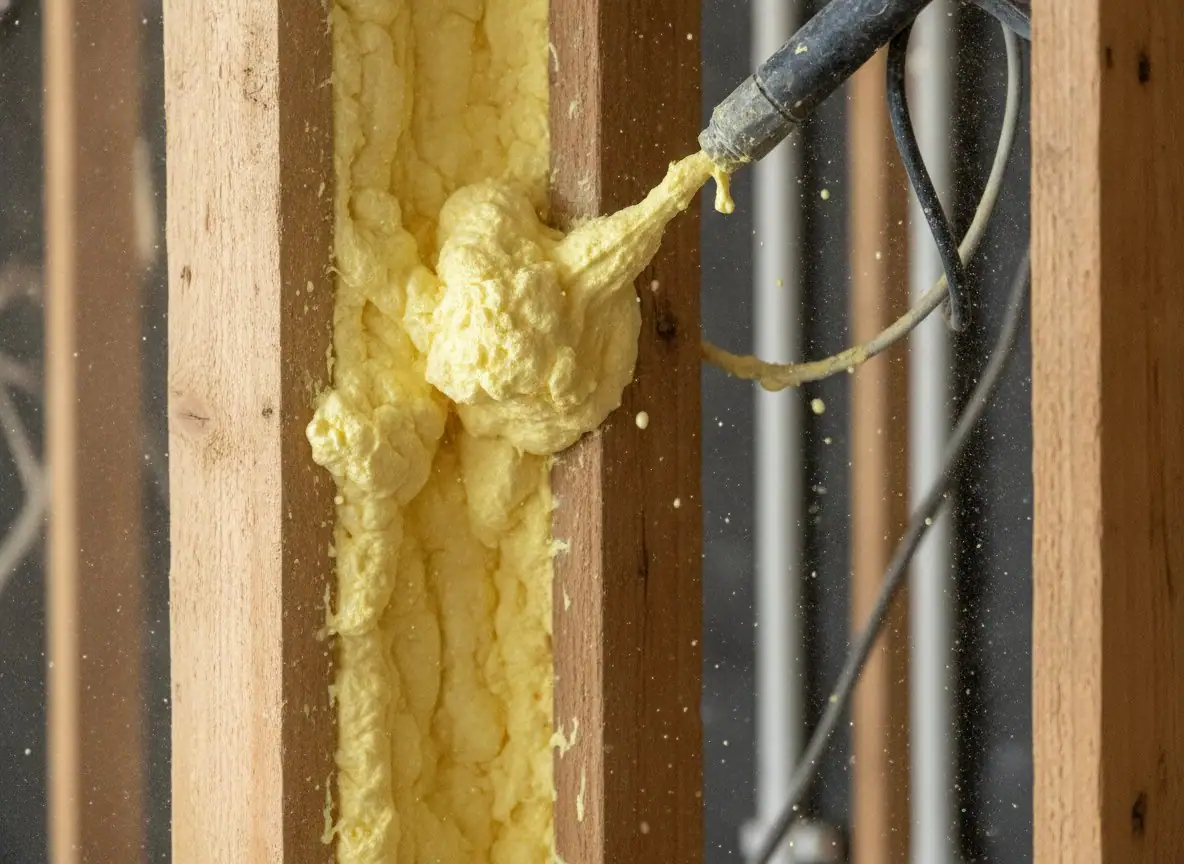
Johns Creek Comfort Insulation Experts installs, removes, and replaces attic insulation for homes and businesses in Duluth, GA. We give every customer a written quote after a free inspection, so you know the real number for your attic before any work starts.
Is insulating your attic worth it?
For most Duluth homes, yes. Insulating the attic is one of the most cost-effective energy upgrades you can make, especially if your current insulation is thin, settled, or damaged. The attic is where the most heat moves in and out of a house. In a Georgia summer, attic air can get far hotter than outdoor air, and that heat radiates down through the ceiling and works against your air conditioner.
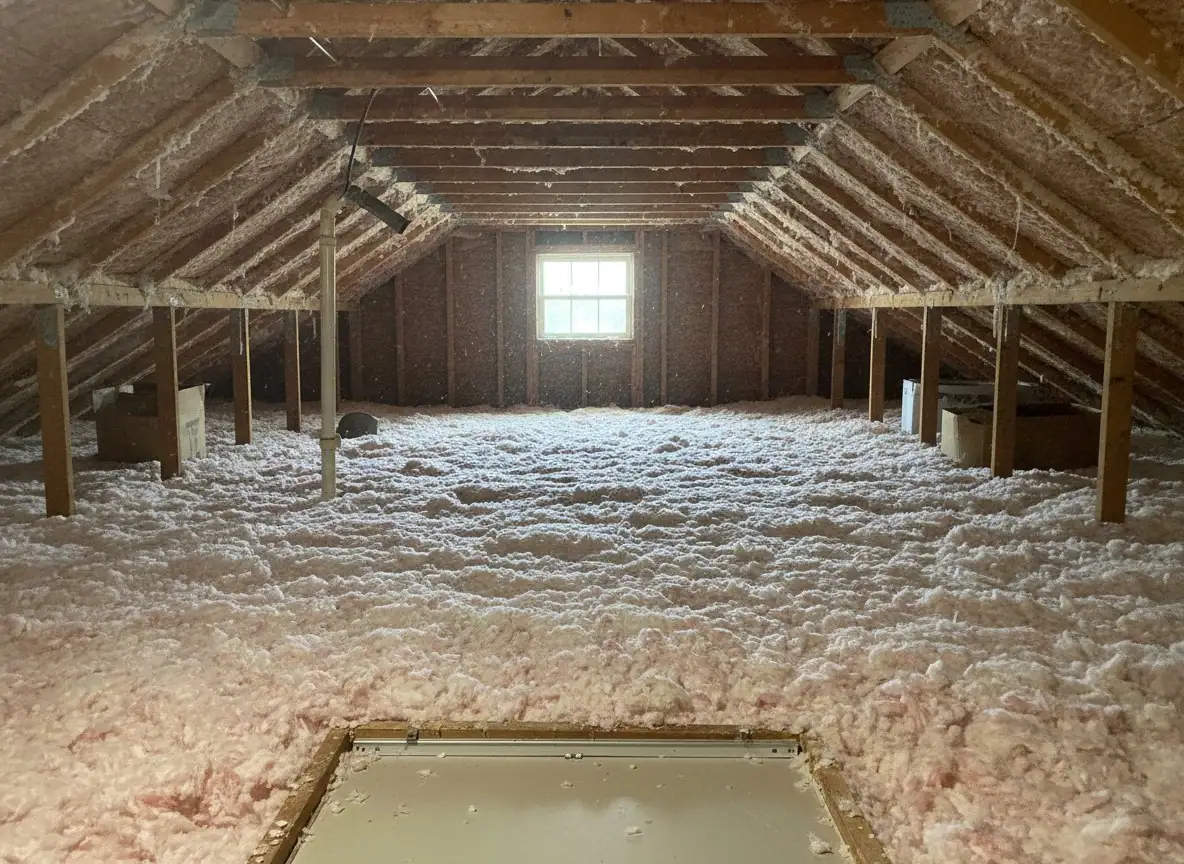
Duluth sits in Department of Energy climate zone 3. For that zone, the DOE recommends roughly R-30 to R-60 in an uninsulated attic, which works out to about 10 to 20 inches of blown-in material depending on the product. Many older homes in Gwinnett County have far less than that, often because the original layer has settled or been disturbed by HVAC and cable work. ENERGY STAR estimates that homeowners can save an average of about 15% on heating and cooling costs by air sealing and adding attic insulation.
Read moreShow less
It is usually worth it when you see any of these signs:
- You can see the tops of the ceiling joists, which means you have less than about 10 inches of insulation.
- Upstairs rooms are noticeably hotter in summer or colder in winter than the rest of the house.
- The insulation is wet, stained, compressed, or has signs of pests.
- Your HVAC system runs almost constantly during peak summer weeks.
Once you know it is worth doing, the next question is what it will actually cost in Duluth.
How much does attic insulation cost in Duluth, GA?
Your exact attic insulation cost in Duluth is set by your attic's size, the material, the R-value you are targeting, and any prep work, and we put that number in writing after a free inspection. We do not publish flat prices, because two Duluth homes with the same square footage can need very different work.
For general context only, national cost guides commonly cite professional attic insulation at about $1,500 to $5,500 for a typical job, or roughly $1.00 to $7.00 per square foot depending on material and attic size. These are broad national ranges, not Duluth quotes and not our pricing. The low end usually reflects a simple top-up of blown-in material in an open, easy-to-reach attic. The high end usually reflects spray foam, removal of old insulation, or a hard-to-access space.
Where your home lands depends on the specifics of the job, which brings up a common worry: whether adding insulation is a big expense.
Free, no-obligation estimates
Talk to Johns Creek Comfort Insulation Experts
Tell us what you need and we’ll take it from there.
Is it expensive to add insulation to an attic?
Adding insulation to an attic is usually one of the less expensive home improvements, especially when the existing layer is dry and clean and can stay in place. A top-up with blown-in fiberglass or cellulose is fast. It often takes a single day, needs little prep, and uses relatively low-cost material.
It gets more expensive when the job grows beyond a simple top-up:
- Removal first: Wet, moldy, or rodent-contaminated insulation has to come out before new material goes in.
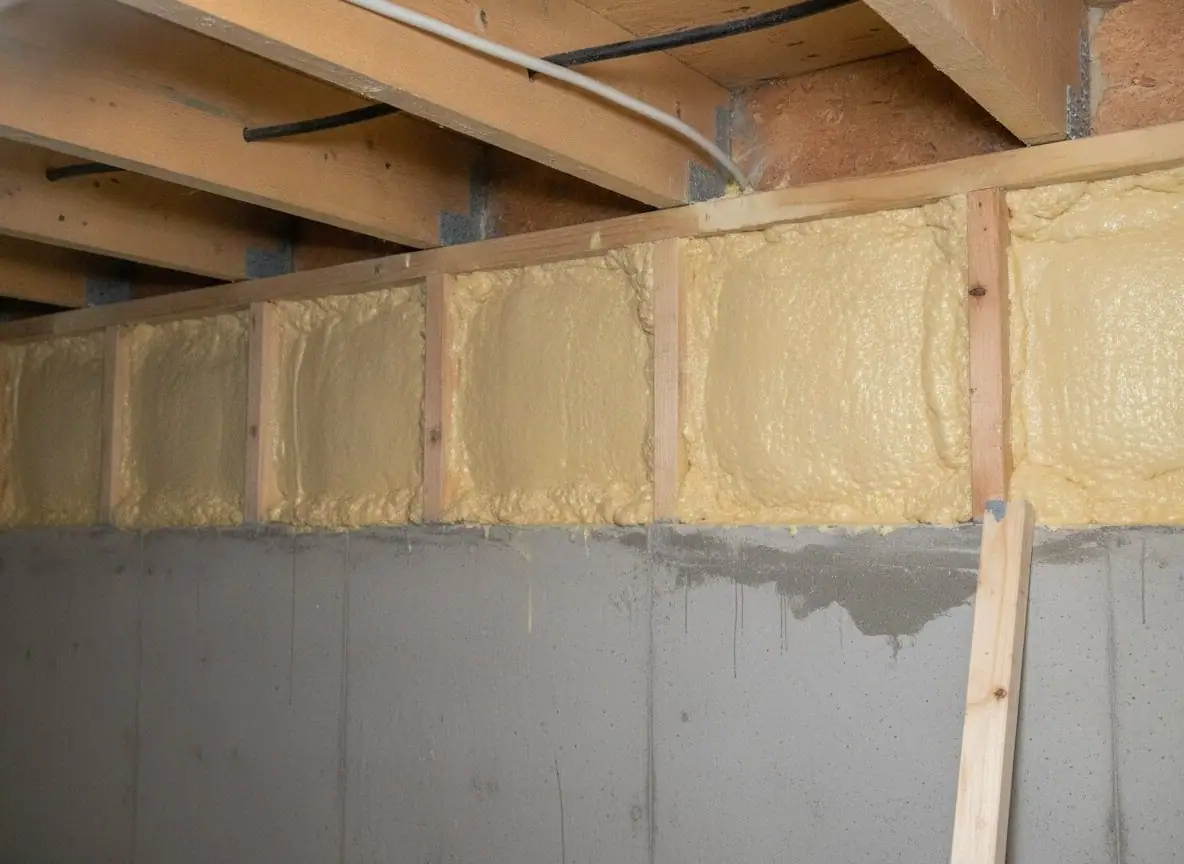
- Spray foam: Sealing the roof deck with spray foam costs more per square foot than loose-fill.
- Air sealing and repairs: Gaps around wiring, plumbing, and recessed lights should be sealed first, and damaged areas may need repair.
- Tight access: Low-slope roofs, small hatches, and crowded attics slow the work down.
Read moreShow less
If you are looking for cheap attic insulation, the most affordable route is usually blown-in material over a sound existing layer. Cutting corners on air sealing or depth rarely saves money over time. To see how size plays into this, it helps to look at a common example.
At a glance
How much is 2000 sq ft of insulation?
The cost for 2,000 square feet of insulation depends on whether that figure is your attic floor or your total living space, which material you use, and how deep it needs to go. Many people quote their home's total square footage. In a two-story house, though, the attic floor is often only about half that, so the insulated area may be much smaller than the number on the listing.
Use this worksheet to estimate your attic area before you call:
| Step | What to do | Your number |
|---|---|---|
| 1. Footprint length | Measure the length of the top floor (or ground floor for a ranch) in feet. | ____ ft |
| 2. Footprint width | Measure the width in feet. | ____ ft |
| 3. Attic floor area | Multiply length by width. Leave out a garage unless it has an attic you want insulated. | ____ sq ft |
| 4. Current depth | Measure existing insulation depth in a few spots with a ruler. | ____ inches |
| 5. Condition | Note anything wet, stained, compressed, or with droppings. | Good / Needs removal |
| 6. Access | Note the hatch size, roof pitch, and any flooring or storage in the way. | Easy / Tight |
Multiplying your attic area by a general per-square-foot range gives you a rough ballpark. The written quote after inspection is the number to plan around. Those worksheet answers line up with the factors that move the price.
At a glance
What affects attic insulation cost?
Attic insulation cost is driven by attic size, material, target R-value, access, prep work, and any damage that has to be fixed first. The table below shows how each factor moves the price.
| Cost factor | Lower cost when | Higher cost when |
|---|---|---|
| Attic size | Small, simple footprint | Large or multi-level attic with many sections |
| Material | Blown-in fiberglass or cellulose | Open-cell or closed-cell spray foam |
| Target R-value / depth | Topping up an existing layer | Building up to R-49 or more from little or none |
| Pitch and access | Walkable attic with a large hatch | Low slope, small opening, cramped eaves |
| Tear-off | Existing insulation can stay | Old material must be vacuumed out and disposed of |
| Damage extent | Dry, clean attic | Mold, roof leak stains, rodent contamination |
| Air sealing and ventilation | Few penetrations, baffles already in place | Many gaps, recessed lights, missing soffit baffles |
| Permits and code | Simple retrofit | Work tied to remodeling or attic conversion |
Of all these, material has the largest effect, so it deserves a closer look.
At a glance
Attic insulation cost by material
Blown-in fiberglass and cellulose are usually the cheapest materials for attics, and spray foam costs the most. The figures below are general installed ranges per square foot that are commonly cited in national cost guides. They are not Duluth quotes and not our prices.
| Material | General installed range (per sq ft) | Best fit |
|---|---|---|
| Blown-in cellulose | About $1.00–$2.50 | Topping up open attic floors; fills around obstructions well |
| Blown-in fiberglass | About $1.00–$3.50 | Attic floors; resists moisture and settles less than cellulose |
| Fiberglass batts | About $1.00–$2.50 | Open, evenly spaced joists with few obstructions |
| Spray foam | About $2.00–$7.00 | Sealing the roof deck, conditioned attics, HVAC equipment in the attic |
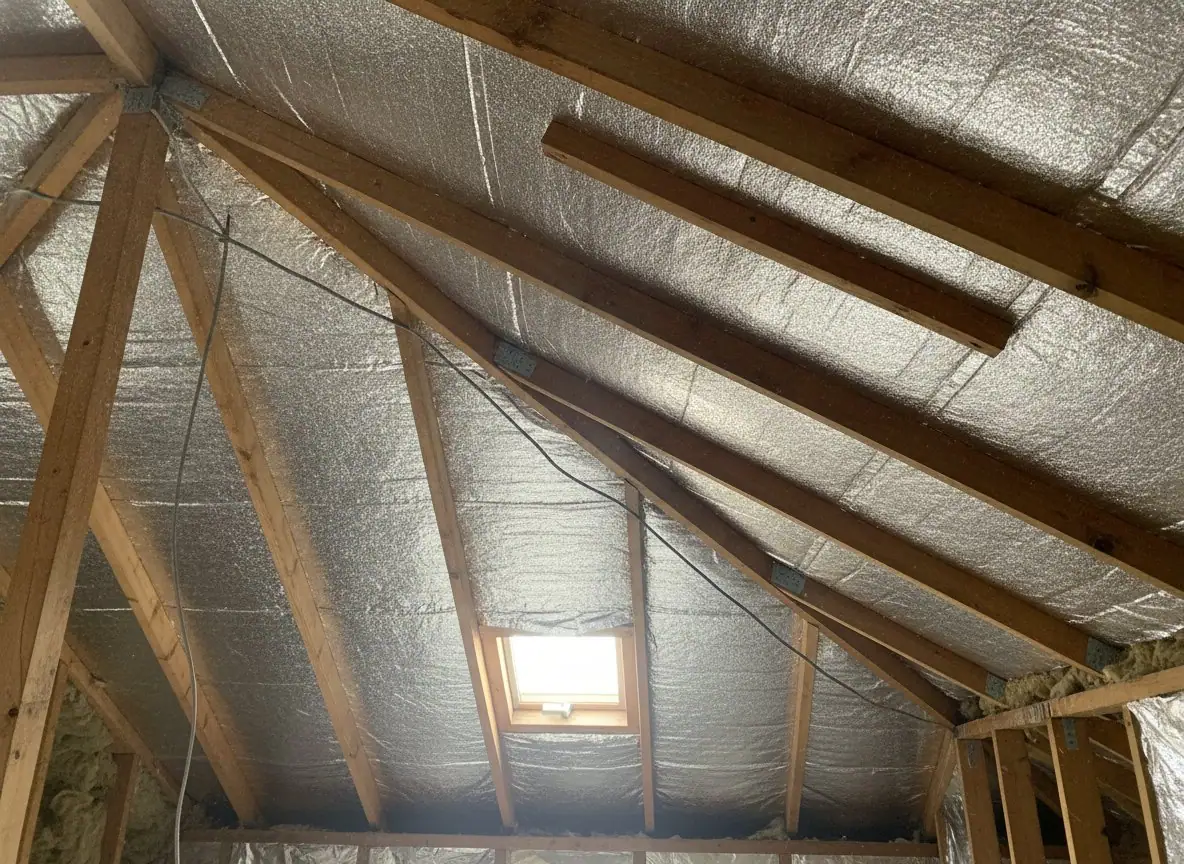
In Duluth, many attics hold ductwork and an air handler. Spray foam on the roof deck brings that equipment inside the conditioned space, and that can justify the higher price. See our spray foam insulation cost page for more detail. For most open attic floors, blow-in insulation gives the most R-value for the money. Material is only part of the bill, though, and the extras are where estimates often differ.
What extra costs should you watch for?
The most common extra costs are old insulation removal, air sealing, and ventilation baffles. Each can add meaningfully to the total, so ask whether a quote includes them. General national figures are listed below for context. They are not our prices.
- Old insulation removal: about $1.00–$3.00 per sq ft, and more when pests, mold, or heavy debris are involved.
- Air sealing: about $300–$1,500, depending on how many gaps and penetrations need sealing.
- Rafter vents (baffles): about $3–$8 each. These keep soffit vents open so the attic can breathe.
- Damage repair: fixing roof leaks or damaged drywall before insulating.
- Recessed light covers and hatch insulation: small items that stop significant heat loss.
- Debris and storage removal: clearing stored items so installers can reach the floor.
Some homeowners also wonder whether they could turn the attic into living space instead. That is where the "7 and 7 rule" comes in.
What is the 7 and 7 rule for attics?
The 7 and 7 rule is a shorthand for the building-code minimums that make an attic usable as living space. The room should be at least 7 feet in any horizontal direction and have a ceiling height of at least 7 feet over at least half of its floor area, with a minimum floor area of about 70 square feet. It comes from residential code language for habitable space. Confirm current requirements with Gwinnett County or the City of Duluth before planning a conversion.
The rule affects insulation cost because it changes where the insulation goes:
- Unfinished attic: Insulation goes on the attic floor, usually as blown-in material. This is the least expensive approach.
- Finished or conditioned attic: Insulation goes in the rafters and knee walls, often as spray foam. This costs more but makes the space livable.
Whichever route you choose, the next practical question is how to pay for it.
Can financing or insurance help pay for attic insulation?
Yes, both can help in the right situation. We offer financing for attic insulation, and we help homeowners with insurance claims when the work is tied to covered damage. Insurance generally does not pay for an efficiency upgrade by itself. It may cover insulation that was ruined by a covered event, such as a roof leak from a storm, water damage, or fire.
A few points to keep in mind:
- Document damage with photos before anything is removed.
- Ask us to note damaged insulation in your inspection so you have a written record for your adjuster.
- The federal energy efficiency tax credit for insulation ended for work completed after 2025. Check with a tax professional and with your utility about any current rebates.
- If you are paying out of pocket, ask about financing options during your estimate.
Whether you are paying directly, financing, or filing a claim, it all starts with an accurate estimate.
At a glance
How do you get an accurate attic insulation estimate?
An accurate attic insulation estimate comes from an in-person inspection that confirms four things: attic square footage, whether old insulation must be removed, the right material, and the R-value your location and climate call for. A phone quote based on house size alone can miss removal, air sealing, or damage. Those gaps lead to surprise charges later.
Here is how our free inspection works:
- We measure the attic floor and check access, pitch, and ventilation.
- We measure existing depth and check for moisture, mold, and pest activity.
- We look for air leaks around penetrations, recessed lights, and the hatch.
- We recommend a material and target R-value for Duluth's climate.
- You get a written quote that lists removal, prep, and installation separately.
Before you decide, it also helps to compare doing it yourself with hiring a pro:
| Factor | DIY blown-in | Professional installation |
|---|---|---|
| Upfront cost | Materials and machine rental commonly cited at about $300–$1,200 (general range) | Higher; written quote after inspection |
| Air sealing and baffles | Often skipped | Included or itemized |
| Even depth and coverage | Hard to achieve without experience | Measured to the target R-value |
| Removal of old material | Messy, and risky if contaminated | Handled with commercial vacuums |
| Time | A full weekend or more | Often a single day for a top-up |
| Safety | Heat, joist walking, wiring | Handled by an insured crew |
To see the full scope of what we do, visit our attic insulation services in Duluth. For a free, written attic estimate from an insulation contractor in Duluth, GA, call (404) 491-7118 or use our contact page.
FAQ
Frequently asked questions
What is the best insulation for walls?
For existing finished walls, dense-pack blown-in insulation or injection foam is usually best because it can be installed through small holes without tearing out drywall. For open walls during a remodel, spray foam gives the best air seal, while fiberglass or mineral wool batts cost less. The right choice depends on whether the walls are open and how much air sealing you need.
How much does it cost to finish an attic yourself?
Finishing an attic yourself costs far more than insulating it. It involves framing, flooring, electrical, drywall, HVAC, and often stairs, and the space must meet code minimums like the 7 and 7 rule. Insulation is only one part of that budget. Check permit requirements with your local building department first.
Does adding insulation lower energy bills in Duluth?
In most cases, yes, especially in summer. With proper air sealing, more attic insulation reduces the heat that radiates down from a hot attic, so your air conditioner runs less. Savings vary with your current insulation level, ductwork location, and HVAC system.
Is DIY blown-in insulation cheaper than professional installation?
DIY is cheaper upfront, with materials and rentals commonly cited at about $300 to $1,200 as a general range. However, DIY jobs often skip air sealing and baffles, end up with uneven depth, and cannot safely handle contaminated old insulation. Those gaps can reduce the energy savings you are paying for.
Do you offer financing for attic insulation?
Yes, financing is available. Ask about options during your free inspection, and we will include them with your written quote.
Ready to find out what your attic needs? Call Johns Creek Comfort Insulation Experts at (404) 491-7118 for a free inspection and written estimate in Duluth, GA.
Why choose us
Why choose Johns Creek Comfort Insulation Experts?
Free estimates
Get a clear, no-obligation estimate before any work begins.
Licensed & insured
Your property and our crew are protected on every project.
Residential & commercial
One team for homes, multi-family and commercial properties.
Locally owned & operated
A local team serving your community and the surrounding area.
Get in touch
Find insulation help near you
Request a free estimate online or give us a call — our team will follow up quickly.
- Call us(404) 491-7118
- Visit6470 E Johns Crossing 150 unit a, Duluth, GA 30097
- HoursMon-Sun: 7:00 am – 7:00 pm