
Spray Foam Insulation Cost in Duluth, GA
Spray foam insulation cost in Duluth, GA depends on the square footage you need covered, the type of foam (open-cell or closed-cell), the thickness required, and how easy the space is to reach. We don't publish one flat price because two homes of the same size can need very different work. This page explains what drives the price so you can plan your budget. After a free inspection, we give you a written spray foam insulation estimate.
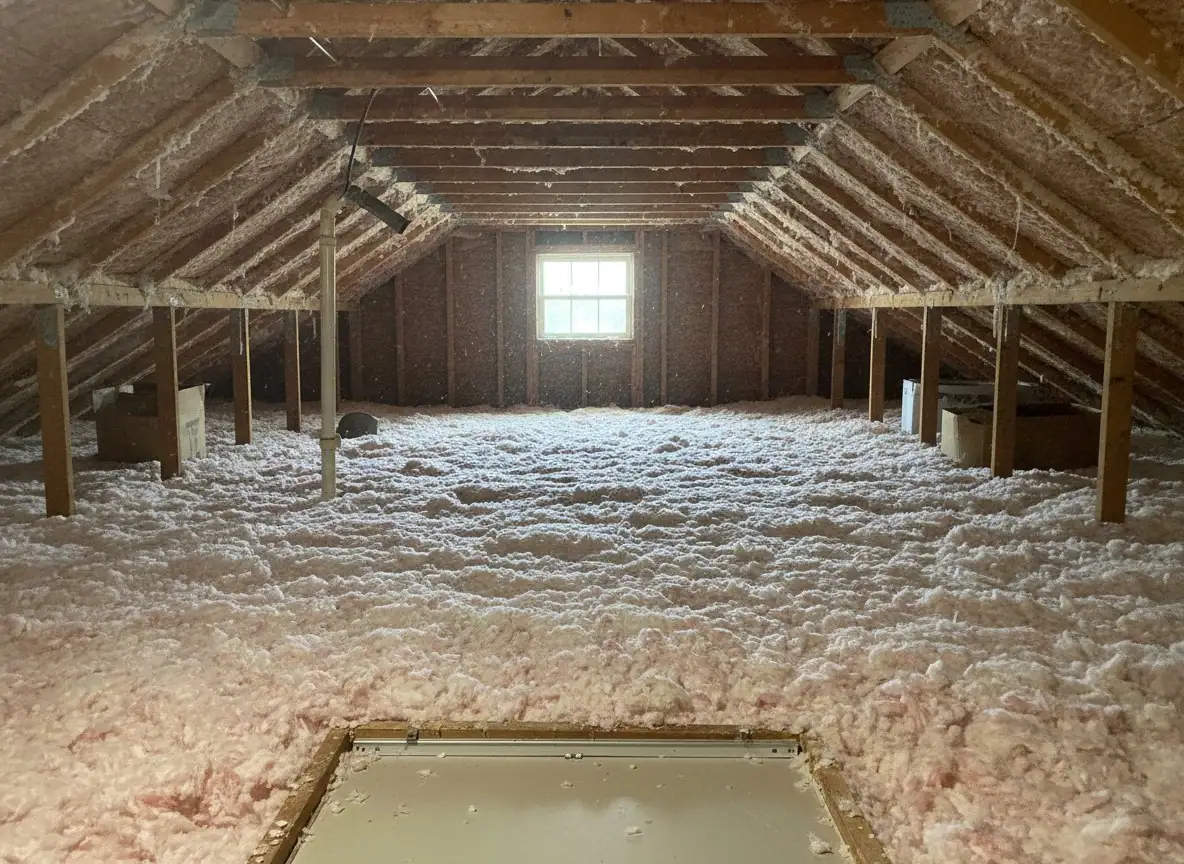
Johns Creek Comfort Insulation Experts installs spray foam insulation in Duluth for both homes and commercial buildings. We also handle attic insulation, blow-in insulation, crawl space insulation and encapsulation, and insulation removal and replacement. That range lets us compare spray foam against other options on the same visit.
At a glance
How much does spray foam insulation cost in Duluth, GA?
In Duluth, the total spray foam cost is set by measured square footage multiplied by the foam type and thickness your space needs. Prep work, access, and any old insulation that has to come out are added on top.
Contractors usually price spray foam in board feet. One board foot is one square foot of foam, one inch thick. Here is why that matters:
- A wall cavity filled with 3 inches of foam uses three times the material of a 1-inch coat over the same area.
- A roof deck sprayed to a deeper depth uses more still.
- Any quote you get should show both the square footage and the depth, so you can compare quotes fairly.
The table below lists the main factors we look at during a free inspection.
| Cost factor | What we check | Effect on price |
|---|---|---|
| Square footage | Measured area of roof deck, walls, rim joists or crawl space | The main driver. More area means more material and labor. |
| Foam type | Open-cell or closed-cell | Closed-cell uses denser, more expensive material per inch. |
| Thickness / R-value target | Depth needed for the space and code | Each added inch adds material. |
| Roof pitch and access | Steep pitches, low clearance, tight crawl spaces | Harder access slows the crew. |
| Tear-off of old insulation | Existing batts, loose fill, damaged material | Removal and disposal is a separate line item. |
| Prep and masking | Protecting HVAC, wiring, finished surfaces | More prep means more labor time. |
| Damage extent | Moisture, rodent contamination, rotted framing | Must be addressed before foam goes on. |
| Permits and code items | Ignition or thermal barrier requirements, local rules | Can add coatings or paperwork. |
The easiest way to see these factors at work is to look at a common project size, starting with 1,000 square feet.
How much does it cost to spray foam for 1000 square feet?
The cost to spray foam 1,000 square feet depends on whether that area is a roof deck, open walls, or a crawl space, and on how thick the foam needs to be. Once we confirm those details in person, we put the figure in a written quote.
A "1,000 square foot" job can mean very different amounts of material:
- 1,000 sq ft of exterior walls: filled to stud depth. This is usually the simplest in labor.
- 1,000 sq ft of attic floor area: sealing the underside of the roof deck. The roof surface is larger than the floor below it, and more so on steeper roofs. Gable ends often need to be sprayed as well.
- 1,000 sq ft of crawl space: rim joists and walls are usually foamed, often alongside encapsulation. Labor is slower in low clearance.
So spray foam insulation cost per square foot is only meaningful once you know which surface is being sprayed and to what depth. The same logic applies when you scale up to a whole house.
Free, no-obligation estimates
Talk to Johns Creek Comfort Insulation Experts
Tell us what you need and we’ll take it from there.
At a glance
How much does it cost to spray foam insulate a 2000 sq ft house?
For a 2,000 sq ft house, the cost depends on which parts of the house are foamed. A full envelope job (roofline, walls and rim joists) uses far more material than an attic-only job, even though both are described as "a 2,000 square foot house."
Use these examples to frame the conversation. Each one gets an exact written price after inspection.
| Project example | Areas typically sprayed | Relative scope | Price |
|---|---|---|---|
| Attic roofline only | Roof deck, gable walls | Moderate | Written quote after free inspection |
| Rim joists and crawl space walls | Band joists, foundation walls | Smaller | Written quote after free inspection |
| New construction or open walls | Exterior walls plus roofline | Large | Written quote after free inspection |
| Retrofit with old insulation removed | Removal, then roofline | Moderate plus removal | Written quote after free inspection |
Two-story homes with complex rooflines, dormers or knee walls add surface area and slow the crew. A ranch house with a simple gable roof is more straightforward. Within any of these scopes, the biggest single swing in price comes from the foam type you choose.
At a glance
Open-cell vs closed-cell spray foam: which costs more?
Closed-cell spray foam costs more per square foot than open-cell because it is denser and uses more chemical per inch. In return, it delivers a higher R-value per inch and acts as a vapor barrier.
| Feature | Open-cell spray foam | Closed-cell spray foam |
|---|---|---|
| Material cost per inch | Lower | Higher |
| Density | Light, soft, spongy | Dense, rigid |
| R-value per inch | Lower, so more thickness is needed | Higher, so less thickness is needed |
| Moisture behavior | Vapor-permeable | Acts as a vapor barrier |
| Structural benefit | None | Adds some rigidity |
| Common uses in Duluth | Attic rooflines, interior walls, sound control | Crawl spaces, rim joists, basements, metal buildings |
Here is how we usually decide:
- Dry, roomy attic roof decks: open-cell often gives good value, because there is space for the thickness it needs.
- Tight spaces, moisture-prone areas, and below-grade walls: closed-cell is usually the right choice. This includes places where you need a high R-value in a shallow cavity, such as 2x4 walls.
- Mixed approach: many homes use closed-cell on rim joists and crawl spaces and open-cell in the attic.
Foam type is a big factor, but it is not the only one, as the next section shows.
What affects spray foam insulation cost?
Spray foam insulation cost is driven by area, foam type, depth, access, prep, removal of old material, and any damage that must be fixed first.
Beyond the factors in the table above, a few details often surprise homeowners:
- Old insulation removal: foam must go on clean, dry surfaces. Rodent-contaminated batts or loose fill have to be removed first.
- Moisture or roof leaks: wet decking has to be repaired before spraying. Foam over a leak hides the problem.
- Thermal or ignition barriers: exposed foam in some living or storage areas may need a protective coating or covering.
- HVAC and ventilation: sealing an attic changes how the house breathes. Ductwork, combustion appliances and fresh-air needs should be reviewed.
- Occupancy: occupants need to be out of the home during spraying and curing. Your schedule may affect timing.
Read moreShow less
For commercial buildings, larger open areas can move quickly. However, lift access and working around business hours can change the scope. Because the attic is where most Duluth homeowners start, it deserves its own look.
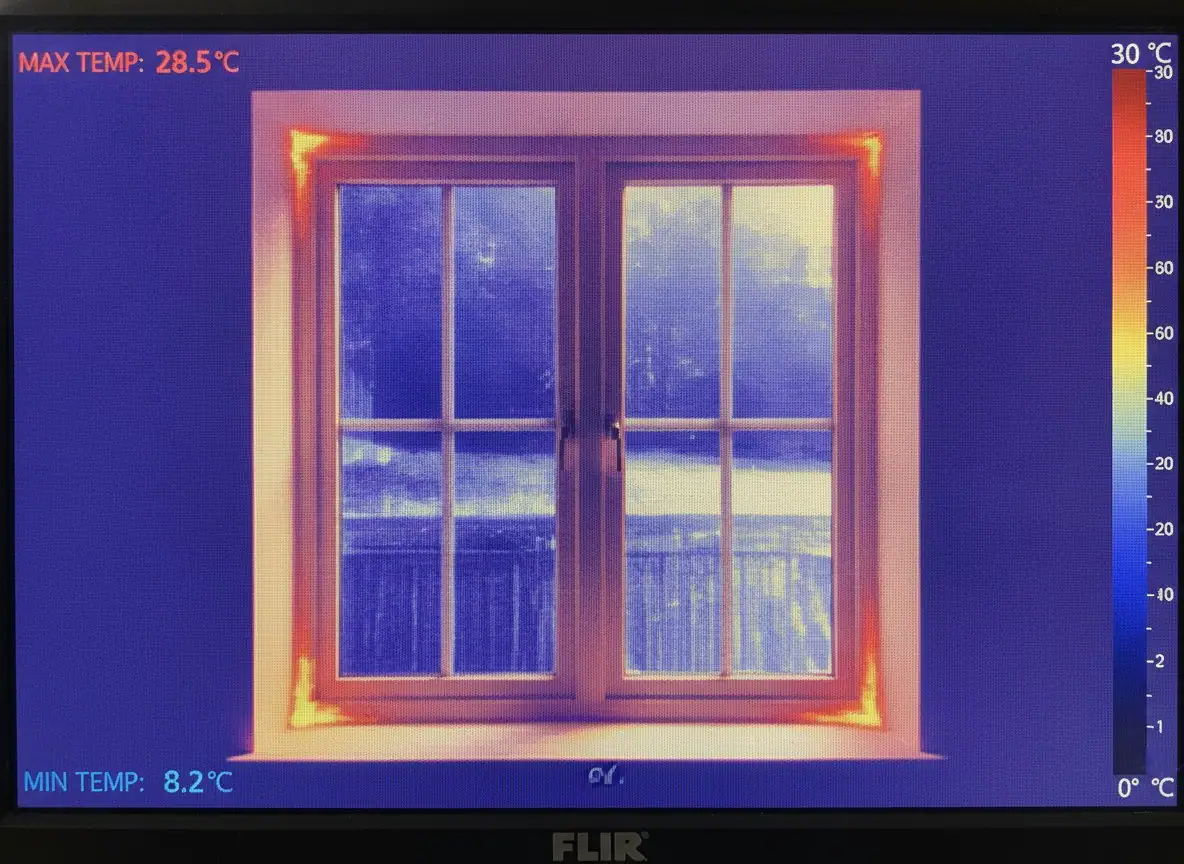
How much does attic spray foam cost?
Attic spray foam cost depends on the roof deck's surface area, the roof pitch, the foam type and depth, and whether existing attic insulation has to be removed first. Each attic gets a written quote after a free inspection.
When we spray foam an attic, we normally apply it to the underside of the roof deck. This creates a conditioned or "unvented" attic, which helps the HVAC equipment and ductwork that often sit up there in Georgia homes. Here is what pushes attic foam insulation cost up or down:
- Roof pitch: steeper roofs have more deck area than the floor footprint below them.
- Clearance: low attics with tight eaves are slower to spray.
- Existing floor insulation: old blown-in or batt insulation on the attic floor may be removed, which is a separate cost.
- Vents: soffit and ridge vents must be sealed or addressed as part of the change to an unvented attic.
Read moreShow less
If spray foam isn't the best fit, blown-in insulation on the attic floor is a lower-cost alternative. Our attic insulation cost page and our attic insulation services page compare both. Before deciding, it is worth knowing the downsides of spray foam.
What are the negatives of spray foam?
The main negatives of spray foam are a higher upfront cost than batts or blown-in insulation, the need for careful professional installation, and the difficulty of removing it later.
- Upfront cost: spray foam costs more than fiberglass or cellulose. That is why many people search for cheap spray foam insulation.
- Installation sensitivity: the two chemical components must be mixed at the right ratio and temperature. Poor mixing can lead to odor or poor adhesion.
- Curing period: occupants need to stay out during application and curing.
- Hidden leaks: foam on a roof deck can make a slow roof leak harder to spot.
- Hard to remove: it bonds to framing and decking, so removal is labor-intensive.
- Home inspections: some inspectors and buyers want clear access to view the roof deck.
These drawbacks explain why some homeowners end up taking foam out.
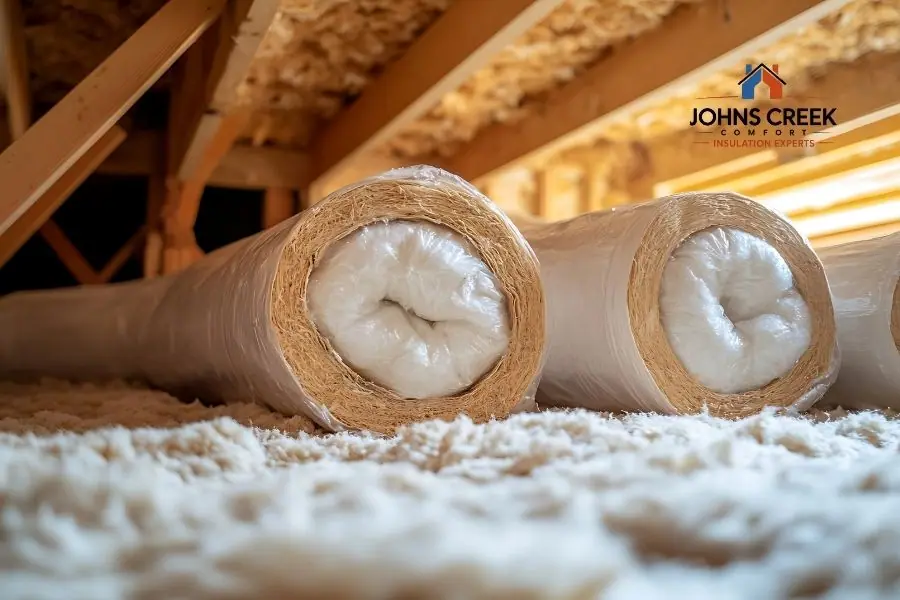
Why are people removing spray foam insulation?
People usually remove spray foam because it was installed poorly, because it is causing odor or moisture problems, or because it is getting in the way of a home sale or roof repair.
The common reasons we see are:
- Off-ratio installation: the foam was applied too thick in one pass, causing lingering odor, shrinking or separation from the framing.
- Moisture trapped behind foam: roof leaks or plumbing problems rotted the wood behind it.
- Sale and inspection concerns: buyers, lenders or inspectors asked for access to the roof deck.
- Roof replacement: roofers needed access to damaged decking.
- Pest damage: rodents tunneled through the foam.
We handle insulation removal and replacement. If foam has failed, we can take it out and install a correct system. That last reason raises a question we hear often.
Do mice chew through closed-cell spray foam?
Yes, mice can chew and tunnel through closed-cell spray foam. It is harder and denser than open-cell foam, but it is not a rodent barrier, even though rodents don't eat it for food.
Foam is useful for sealing small gaps that pests use to get in. However, it should not be your only defense. Good practice includes:
- Sealing larger entry points with hardware cloth or metal flashing before foaming.
- Removing rodent-contaminated insulation before installing new material.
- Checking crawl spaces and rim joists, which are frequent entry points in Duluth homes.
- Pairing crawl space insulation with encapsulation where moisture and pests are both concerns.
Any pest damage or cleanup affects your price. That is one reason an accurate quote requires seeing the space.
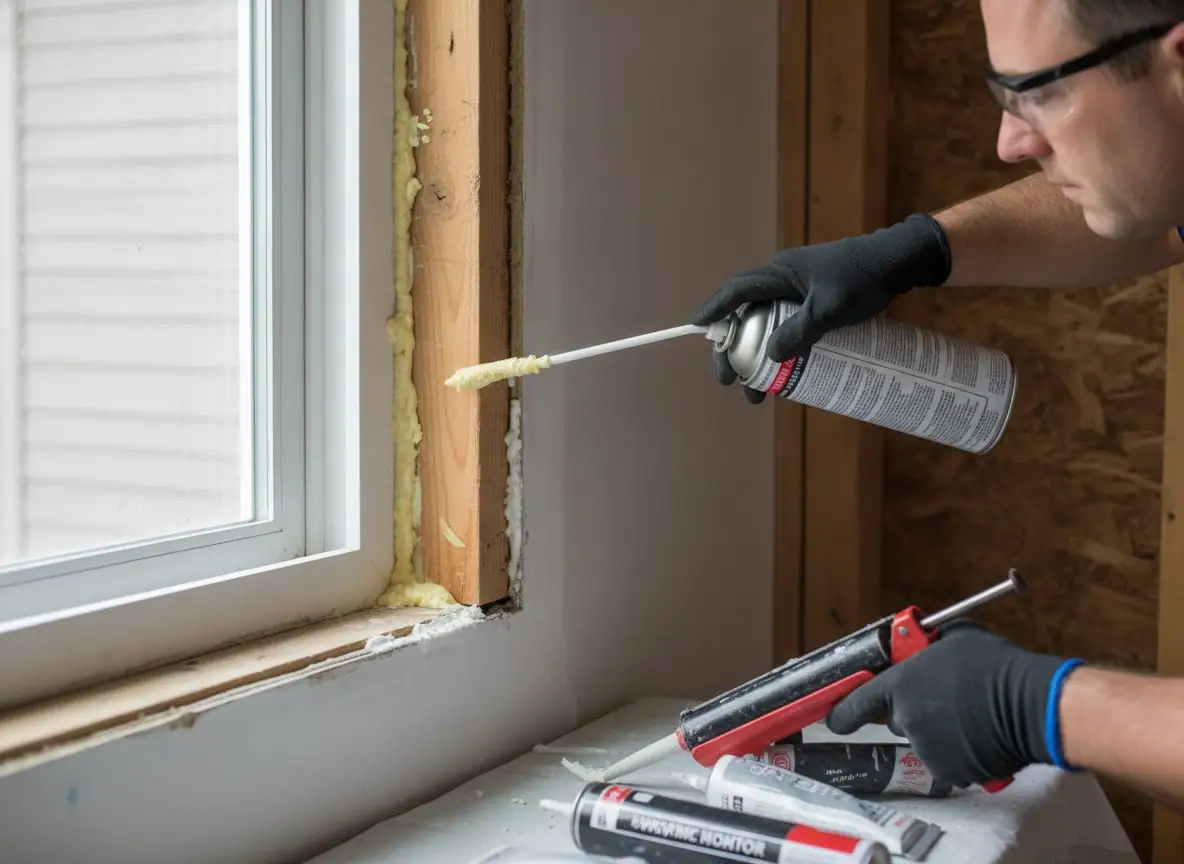
How do you get an accurate spray foam quote?
You get an accurate spray foam quote by having the space measured and inspected in person, then receiving a written estimate. The estimate should list the areas, foam type, depth and any removal or prep work.
Our process:
- Free inspection: we measure the attic, walls, crawl space or building and check access, moisture and existing insulation.
- Recommendation: we explain where open-cell or closed-cell foam fits and whether another insulation type makes more sense.
- Written quote: you get a line-by-line estimate covering area, depth, foam type, removal and prep.
- Scheduling: we set an install date and explain how long you'll need to be out of the space.
If insulation was damaged by a covered event such as a roof leak or storm, we can help you with your insurance claim paperwork. We also offer 24/7 emergency service when water or damage can't wait.
Financing available: If the upfront cost is a concern, ask about financing when we deliver your written quote. We'll go over the options so you can choose the right foam for the job without cutting corners.
FAQ
Frequently asked questions
How much does it cost to spray foam 1,500 square feet?
It depends on whether the 1,500 square feet is roof deck, walls or crawl space, and on the foam type and depth. We measure the actual surfaces during a free inspection and provide a written quote.
Is spray foam worth the higher cost?
It often is in attics with ductwork, in crawl spaces, and in hard-to-seal areas where air leakage is the main problem. Where those issues don't apply, blown-in insulation may give better value. We'll tell you which fits your home.
Does spray foam save money on energy bills?
Spray foam seals air leaks as well as insulating, which reduces the load on heating and cooling equipment. Actual savings depend on your home, your HVAC system and your habits, so we don't promise a specific amount.
Can I finance a spray foam project?
Yes. Financing is available. Ask about it during your free inspection or when you review your written quote.
What is the cheapest way to insulate with spray foam?
The most cost-effective approach is usually to target high-impact areas such as rim joists and the attic roofline, and to use open-cell foam where it performs well. Closed-cell foam is best kept for spots that need moisture resistance. Avoid "cheap" installs that skip prep or apply foam too thick in one pass, because fixing those problems costs more later.
For a written spray foam insulation estimate from a Duluth insulation contractor, call Johns Creek Comfort Insulation Experts at (404) 491-7118 to schedule your free inspection.
Why choose us
Why choose Johns Creek Comfort Insulation Experts?
Free estimates
Get a clear, no-obligation estimate before any work begins.
Licensed & insured
Your property and our crew are protected on every project.
Residential & commercial
One team for homes, multi-family and commercial properties.
Locally owned & operated
A local team serving your community and the surrounding area.
Get in touch
Find insulation help near you
Request a free estimate online or give us a call — our team will follow up quickly.
- Call us(404) 491-7118
- Visit6470 E Johns Crossing 150 unit a, Duluth, GA 30097
- HoursMon-Sun: 7:00 am – 7:00 pm